

At e-hoch-3 | eco impact experts, we were assigned by Hessen Trade & Invest GmbH to develop a practical guide for SMEs to support companies in tackling circular economy in a structured and feasible way.
➡️ What circular economy means for SMEs
-Keeping resources in use for as long as possible
-Preventing waste through repair, reuse and recycling
-Reducing resource consumption and environmental impacts
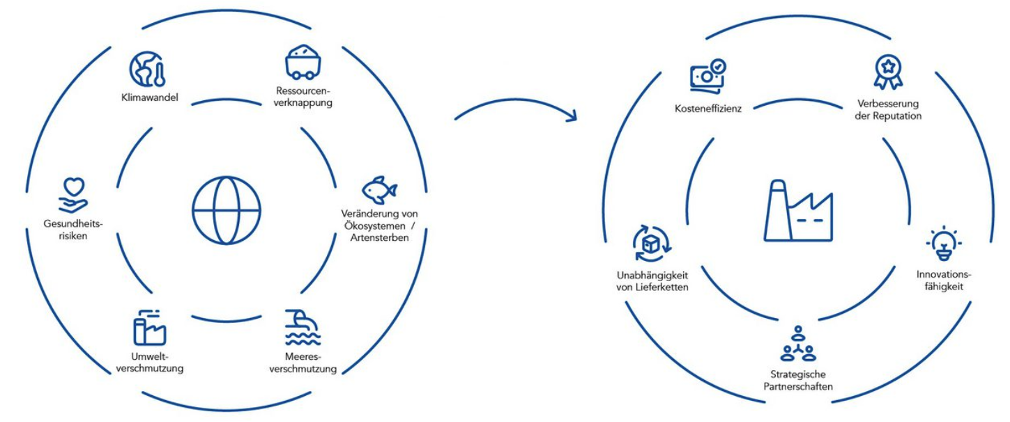
➡️ Circular economy as a shared opportunity
-Increased resilience against resource scarcity and price volatility
-Reduced dependency on critical raw materials
-Stronger positioning in markets with rising sustainability expectations
-Better access to tenders with environmental criteria
-Alignment with requirements from larger customers and supply chains
-Boost to innovation and long-term competitiveness
➡️ Step by step: phases of circularity
-Circular economy represents a shift from disposal to value retention
-Circular principles should be embedded early in product development
-Key lifecycle phases to address: (1) Design & production (2) Use phase (3) End of life
➡️ Reporting on resources, circularity and waste
-EU VSME standard enables voluntary, low-effort disclosure for SMEs
-Practical entry point: VSME Module B7 – Resource use, circular economy & waste management
💡 Circularity turns resource efficiency into strategic resilience.
🌐 Please find the whole guideline and practical example here: https://www.wirtschaftswandel-hessen.de/themenreihe-kreislaufwirtschaft