

♻️ Scaling Impact Through Partnerships
Designing for circularity is no longer optional — it’s a strategic imperative. Internal innovation lays the groundwork and
the strength of partnerships scales impact.
✅ Design Criterias for Real Impact
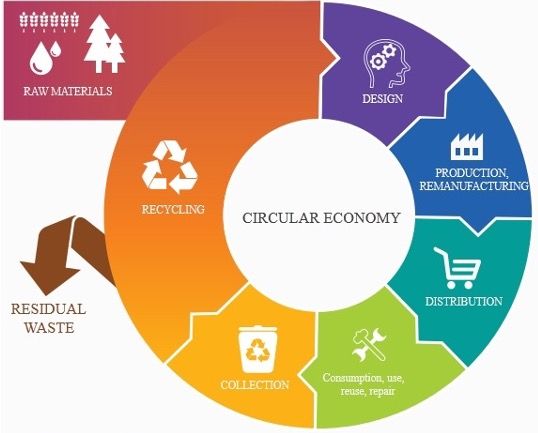
Raw Materials: Maximise recycled content, use renewable resources, choose recyclable materials, use mono-materials instead of composites and reduce the number of materials compared to a reference product.
Use & Consumption: Extend the product‘s lifetime through design for durability and communication about maintenance and care.
End of Life: Enable disassembly and recyclability, ensure recyclables are detectable in the process, and provide clear disposal info or take-back options.
Eliminate Circularity Inhibitors: Identifiying and eliminating these blockers (e.g. hazardous substances) early is crucial to building truly circular systems.
🤝 The Power of Partnerships
By partnering across the value chain, organizations can:
- Share knowledge and resources to accelerate innovation
- Align on standards and practices that facilitate circularity
- Co-develop solutions that are economically viable and environmentally sustainable.
For e-hoch-3 | eco impact experts, fostering the partnerships to our customers is key to operationalizing circularity within innovation ecosystems.
Graphic credits: Circular economy, Graphic © @European_Union